The 9 elements / chakras / energy centers / gyus of nature and how they are understood and used within Ninjutsu for meditation, movement, combat, and … dancing?
In Ninjutsu, each of the 5 elements has meditation and form (kata). Each meditation uses a certain finger joined with the thumb (ether), and a certain method of breathing. Each form has certain posture, body part emphasized, movement method, strike method, and breath method.


Kihon: base
Happo: eight
2 sections: sanpo no kata (koshi kihon sampo) for striking, goho no kata (torite goho gata) for grappling. In Ten Chi Jin there appears to be just 8 movements for some reason, without linking any of the elements to them. In Takamatsu den, it’s basically any technique with 4 elements each with 2 postures / sides each making it a total of 8.
Sanpo No Kata (Koshi (Hip) Sanpo (Walk))
1) earth element via hicho monji no kata: go diagonally away into hicho deflecting down then to side via circular motion, immediately kicking up afterwards into arm pit, then shuto into throat. This is ideal for low attack.

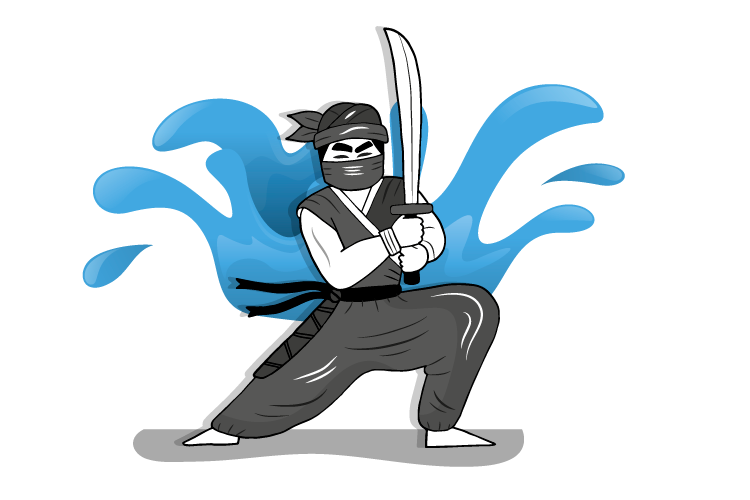
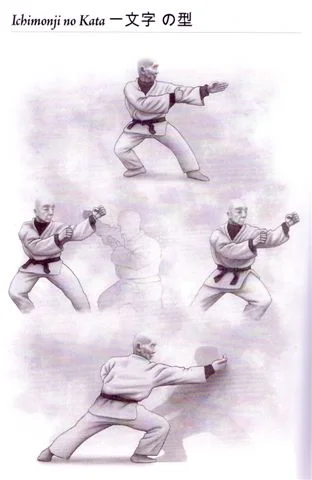
2) water element via ichimonji no kata: go inside defleting attacking arm so it goes in via absorption or out via strike then attack throat. This is ideal for medium attack.
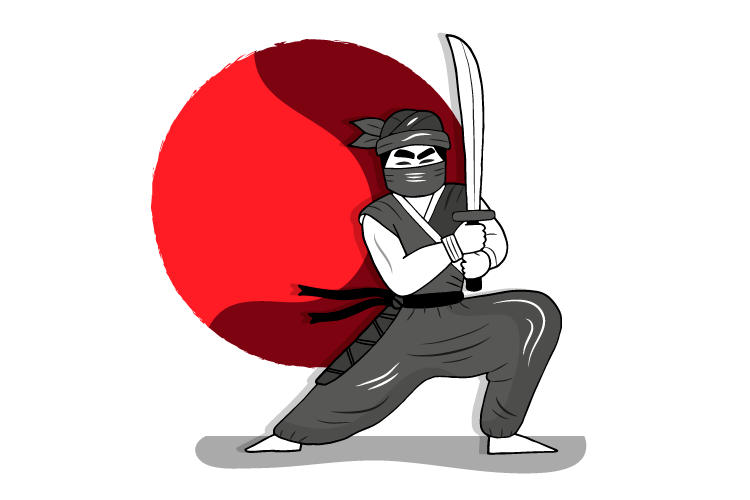
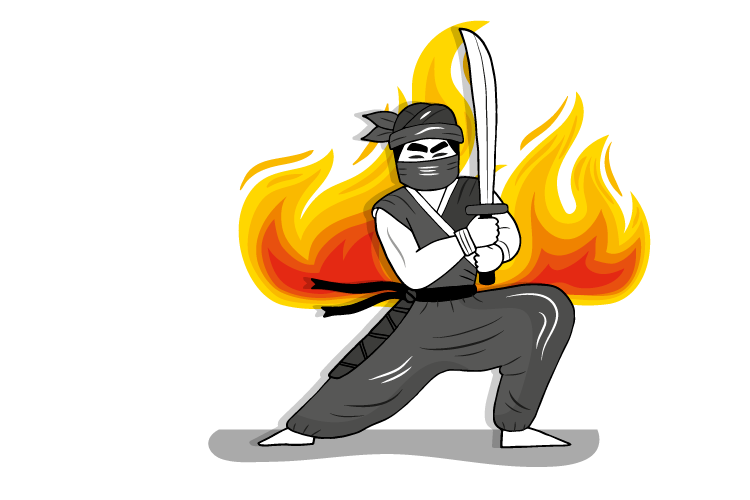
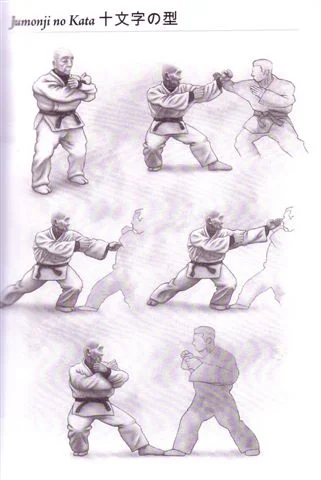
3) fire element via jumonji no kat: absorb attacking arm then invite to attack low by placing other hand up then down, with same closer absorbing hand then go for ribs then face. It can be to deflect then immediately attack the arm pit. This is ideal for high attack.
Goho No Kata (Torite (Receiver) Goho (5))
1) omote gyaku / outside twist (if attacker shirt grabs you then go inside to break balance then raise hand so opponent lowers, then move diagonally outside twisting wrist there).
2) omote gyaku tsuki / outside twist with punch (if attacker shirt grabs you then punches immediately) – cup the holding hand with opposite hand then turn inside & deflect punch simultaneously then go diagonally outside twisting wrist there.
3) ora gyaku / inside twist (if attacker shirt grabs you then you must go inside after breaking balance and shuto from outside).
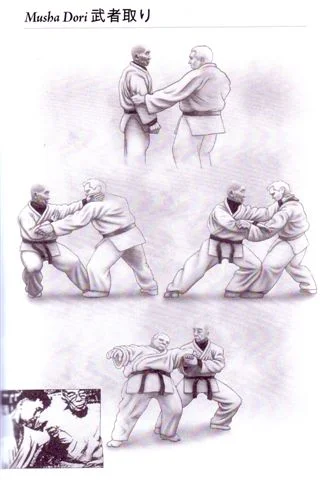
4) mushadori (opponent elbow up after pressing down on the pit – a lot like oni kudaki) & musadori (opponent elbow down by pressing on elbow – like gensaki nage).
5) ganseki nage (plus sign turn to outside or inside, exactly like juji dori but throw – nage waza not gyaku waza).
You can see that Ninjutsu elements are not clear in Tenchijin program. You can learn the original Takamtsu Den kihon happo with me via a couple of $10 video contributions, or by joining a course (more info below).
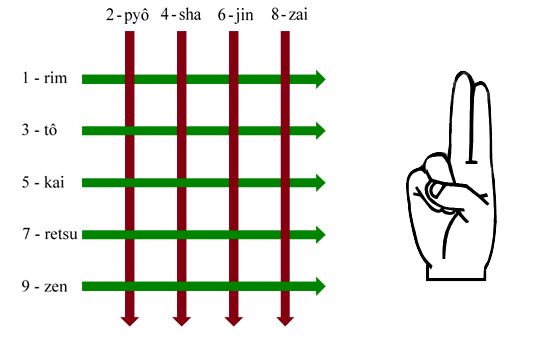
The 9 hand cuts (kiri) and seals (in / mudras) are derived from esotoric Buddhist traditions of Shingon and Mikkyo. They are esotoric because their meditation practises, unlike in Zen Buddhism, are said to alter reality, which is interpreted as spell casting. However, like all Buddhist traditions, the real concern of esoteric sects is enlightenment, and these “spells” are intended to purify and focus the mind.
There are four more elements in Ninjutsu to enlightenment, all of which are represented by kuji. For this NLP (Neuro Linguistic Programming) to work, you should study the elements deeply; you may do so here & here. Visualize each element being bodied inside of you very clearly and with as much detail as possible.
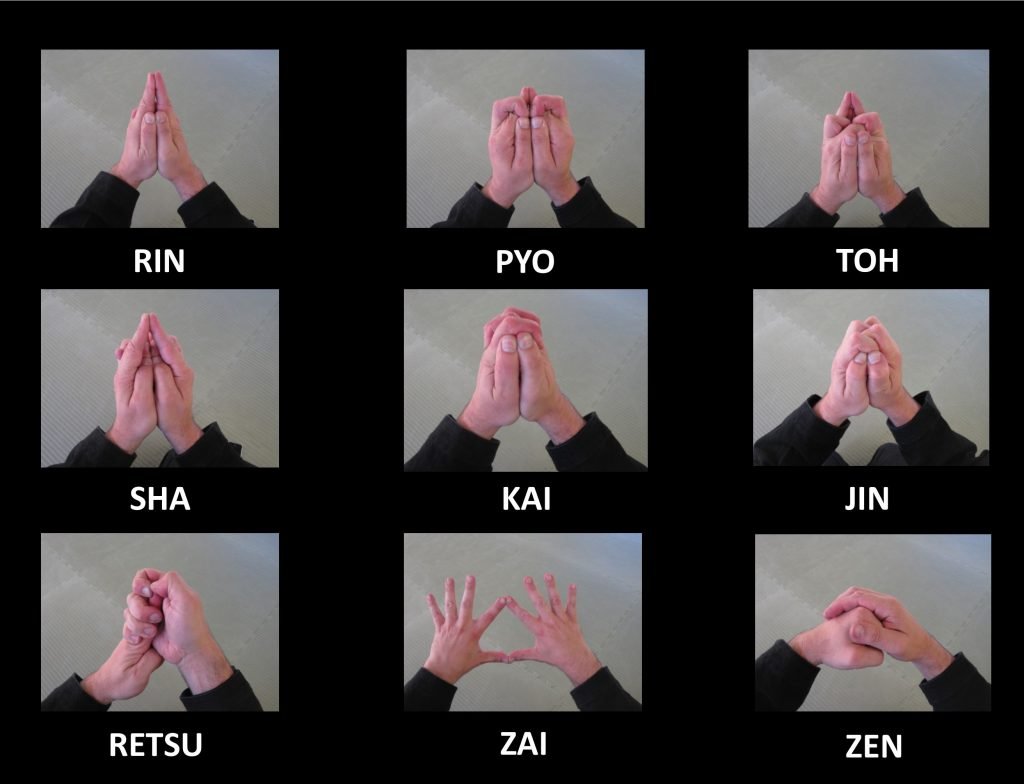
The translation of the 9 elements in kuji is as mentioned in the 9 elements guide blog post is: earth / power (rin), water / energy (pyo), fire / harmony (to), air / healing (sha), ether / intuition (kai), awareness (jin), synchronicity (retso) , creation (zai), enlightenment (zen). Since they are said to aid in protection, they appear to be mantra / shingon (oral invocation to dieties from other dimensions).
Here the Ninjutsu elements are represented by 2 finger (representing unity / sword, and the rising element of fire & air) cut motions.

Here the Ninjutsu elements are represented by mudras (positions) of the fingers.


Online (& offline) updated, personalized, & guided video-based courses with weekly live-video feedback & community membership are available @ https://www.nodojoninja.org/courses
Remember to subscribe for updates & promotions!